
Taiwan’s election results are in – Xi Jinping will not be happy.
Late last evening in Taipei, Lai Ching-te emerged victorious in Taiwan’s high-profile elections (Jan 13th, 2023). The Democratic Progressive Party (DPP) led by first-time president Mr. Lai will remain in power, having won 40% of the vote. The DPP is seen as a West-leaning party that wants to slowly cut ties from its thuggish neighbour, a view condoned by the Chinese Communist party and a development set to increase tensions in the region – tensions that will reverberate across the global economy.
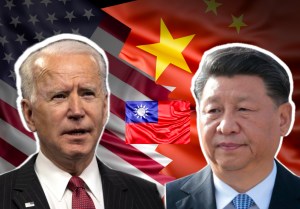
Taiwan has long been at the center of an awkward tug of war between Beijing and the West. Obvious political connotations aside, the island off the coast China is a key factor in the microchip and trade wars that have begun to pick up speed in recent years. It produces over 60% of all semiconductors, with a market share of over 90% of the most cutting-edge ones.
After its rapid economic growth and becoming the international hub for cheap manufacturing, China has begun pushing towards increasing its global influence. Under Xi Jinping’s vision, the country is to become an industrial powerhouse rivaling the influence of its European or North American counterparts. It has started capitalizing on future trends, with Chinese EVs and solar panels being the undisputed market leaders. Despite efforts to thwart this growth, the yuan is already rising the ranks of currencies used in global payments: China boasts one of the largest economic surpluses it has ever seen.
Taiwan’s slow but clear distancing from China affects Mr. Xi’s ambitious plans. The supply chain Taiwan is closely incorporated in excludes China, forcing the latter to completely internalize the production of vital chips. As Beijing loses its grip on Taiwan, trading blocs are becoming more polarized, exacerbating geopolitical tensions.
Supply chain vulnerabilities and market discord allude to weaknesses in the global trade of goods and services. Protectionism and predatory market strategies prompted by these emerging blocs will lead to ever-worsening relations; secrecy on the latest developments in technology and lack of cooperation breeds economic inefficiency. These concerns relate to inflationary pressures.
Geopolitical tensions increase supply chain disruptions such as currently in the Red Sea: the combination of such disruptions with energy prices and strong labour markets are certain to cause upward inflationary pressures this upcoming year. Taiwan’s election’s results are a big win for Western foreign policy and democracy. The effects of isolating the Asian giant will, however, bear stark consequences for global trade.
 Economitron
Leave a comment