
Competition. Predatory pricing. Doves and Hawks. Bull and bear markets. Stock market whales. Black swan events. The keen-eyed reader will most likely have spotted the recurring theme between these common terminologies in economics and finance: animals and animal ecosystems.
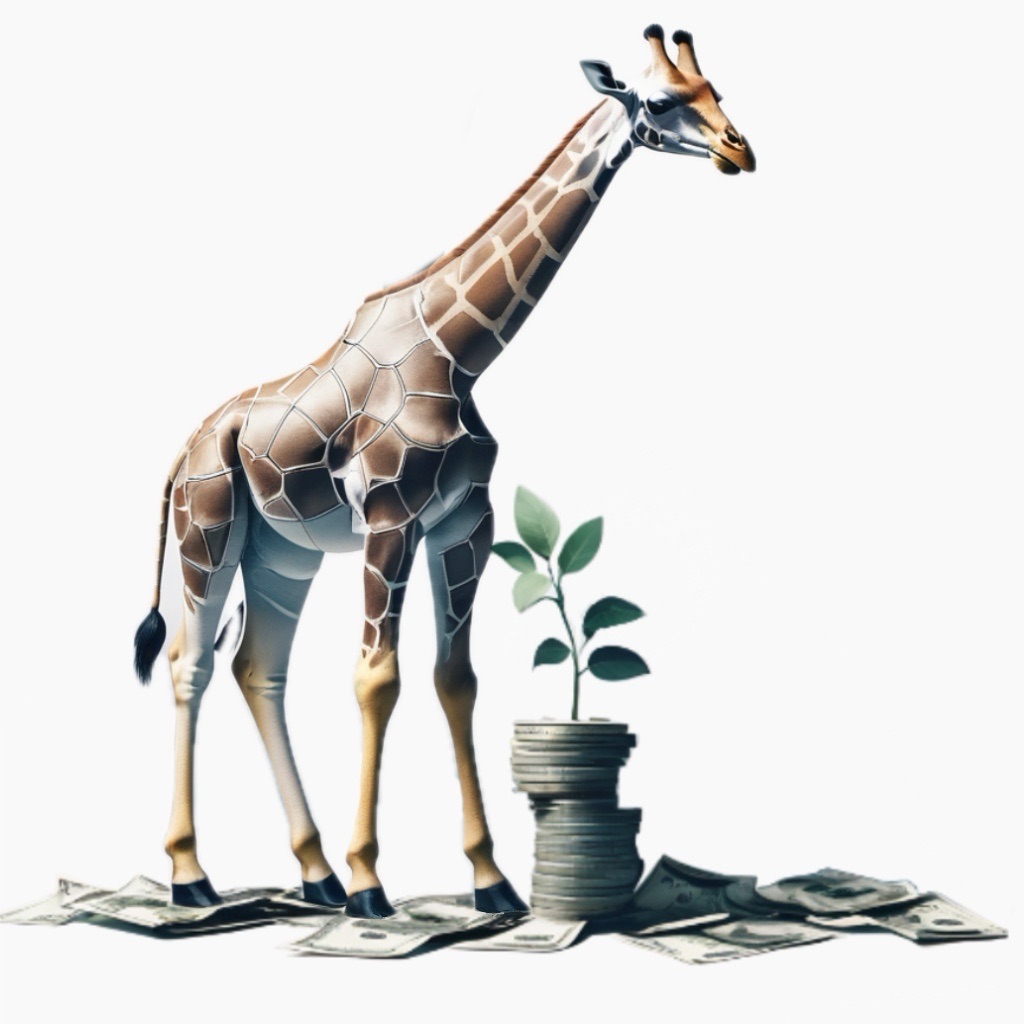
No matter where you look, the animal kingdom seems to be a defining force behind economics – and it’s no surprise. As voiced by other posts, at its core, economics is the study of complex systems. Just like animal ecosystems are governed by intricate relationships between populations resulting in coevolution and coexistence, an economic system describes the relationships of supply and demand created between producers and consumers. Public policy, international trade and firms’ and consumers’ behaviour are driven by the interactions between different components of the macroeconomic system.
Economics is built around the fundamental principles of allocating scarce resources in the most energy-efficient manner, which is rooted in our animalistic origins. It is in our nature as animals to strive for efficiency: just like a bear hibernates and an eagle effortlessly flies through the skies gliding on gusts of air, we as humans have developed technology and industry to be as seamless as possible. Only that instead using our natural instincts to save our energy to survive, we apply them in our relationship with money.
The consumption function defines the relationship between consumption and the factors that influence it. In many ways, the boundaries to consumption set by this function draw very similar parallels between the wilderness and the economy: an animal must choose between resting (saving) and expending energy (consuming), considering that how much energy they are able to use depends on their physical strength (wealth) and the amount of food they are able to find (income). In a precarious situation the animal may choose to strain itself and use more energy than it typically uses (taking credit), although afterwards it will have to rest to compensate for such overdrafts. To its relief, mother nature doesn’t usually demand interest.
This notion that we draw our fundamental economic principles from animal behaviour or “animal spirits” was coined by renowned British economist John Maynard Keynes (20th century). Financial markets –characterised by their wild and unpredictable nature– are driven by animal spirits and herding behaviour whereby the actions of a few are determined by trends set by the market or the “herd”.
Business, investor and consumer confidence and behaviour do not exist in a vacuum but are rather strongly influenced by the market conduct of those surrounding them. Just like a flock of sheep becomes one single entity with a single purpose and direction, market booms, bubbles, bursts and bank runs are all created due to herd psychology and animal spirits. This quirky feature of behavioural economics has the power to greatly amplify economic gains or losses, just ask the Lehman Brothers.
Our comfortable seat at the top of the food chain may sometime lead us to forget that we (too) are animals. And just as we are animals, we act and base our society’s systems on our animal instincts. Although we sometimes throw around terms such as “credit default swap”, “collaterised debt obligations”, “mortgage-backed securities” or “leveraged buyouts” to pretend as though our primitive traits are long-forgotten trivialities, at its core, economics retains the very basics of our essence as animals. In the end of the day, it makes sense to pay homage to our origins with our terminology’s occasional reference to the animal kingdom.
 Economitron
Leave a comment